
Cushion and seating options
Custom cushion inserts for comfort, support, and everyday use
Foam, polyester wrap, feather and down, and spring-core constructions can produce very different seating characteristics. The right choice depends on the furniture, how it will be used, the desired feel, and the amount of maintenance that is practical.
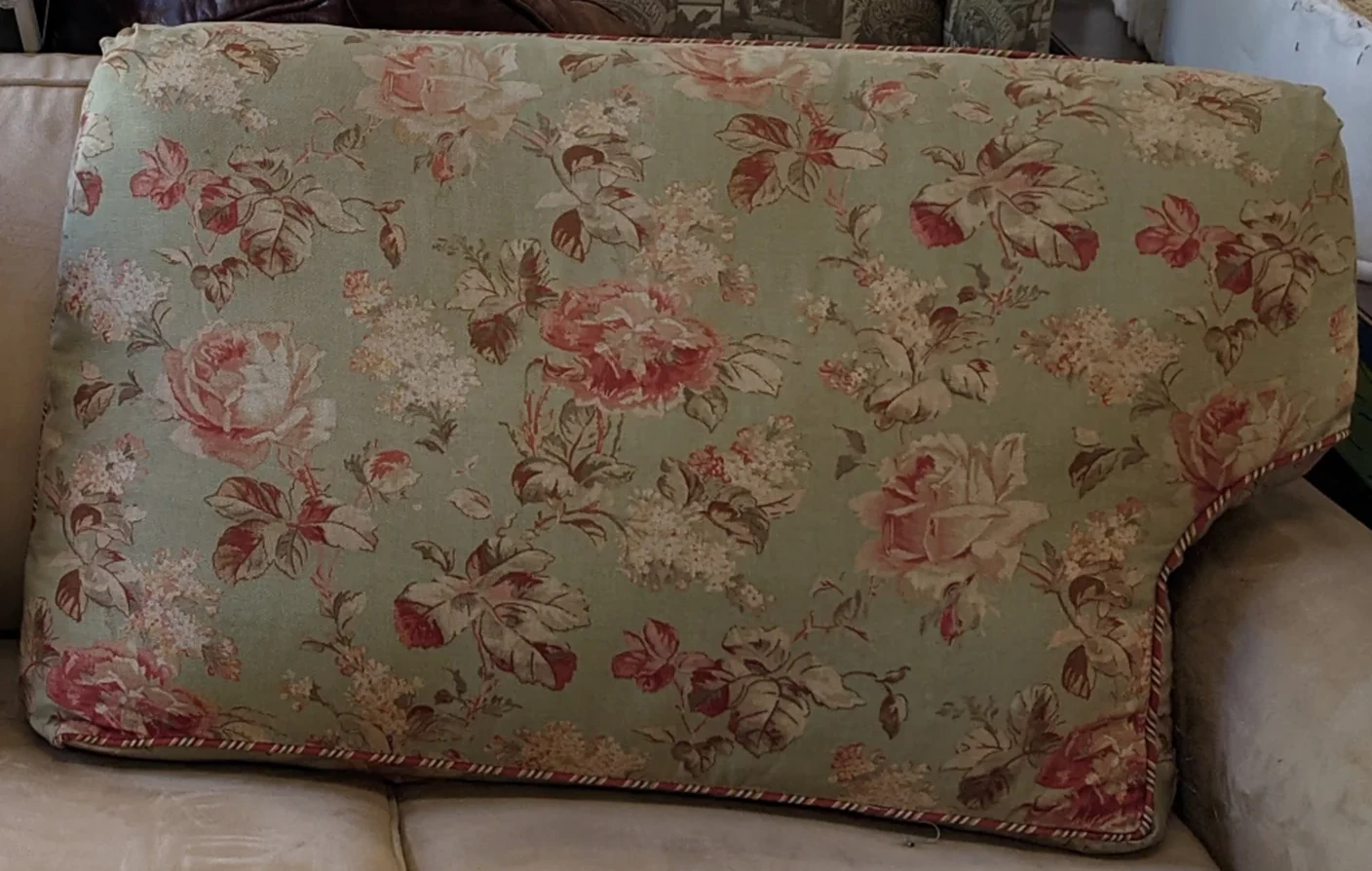
There is more to a cushion than soft or firm
Cushions that feel similar at first can behave very differently over time. Foam firmness, core construction, wrapping materials, the support beneath the cushion, and how often the seat is used all affect comfort and shape retention. We build custom cushions and replacement cushion inserts using foam, batting, down and feather blends, Marshall units, and other materials suited to residential or commercial seating. For worn or flattened cushions, replacing the insert can often restore comfort and support without reupholstering the entire piece.
On existing furniture, the frame and cover help determine what will work. A new insert has to fill the cover correctly, sit properly on the furniture’s support system, and produce the seating feel the owner wants, whether that means firmer, softer, more tailored, or more relaxed.
For built-in or nonstandard seating where the cushion is part of a larger upholstery or adaptation project, see our specialty upholstery work.
Common cushion constructions
Different combinations of foam, fiber, feathers, and springs can be used to change support, surface softness, shape, and maintenance requirements.
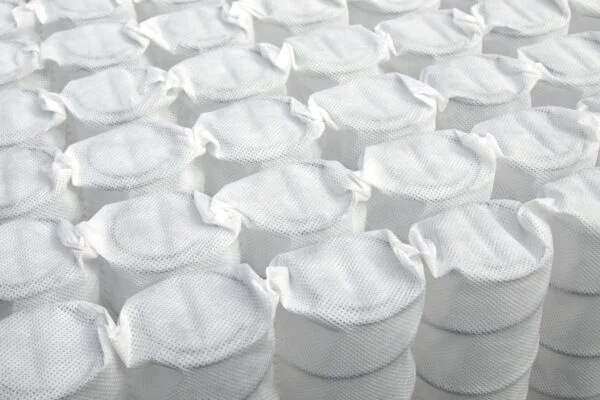
Marshall spring unit
A Marshall unit uses individually wrapped coil springs as part of the cushion core. Depending on the construction, the spring unit may be combined with foam, polyester fiber, or a feather-and-down envelope to create the final shape and seating feel.
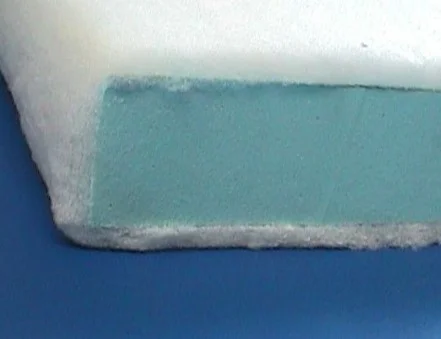
Foam with polyester batting
Foam provides the primary support and shape while a polyester batting wrap softens the edges and fills the cushion cover. Foam can be selected in different firmnesses and can also be layered when the seating design calls for a different feel at the surface and core.
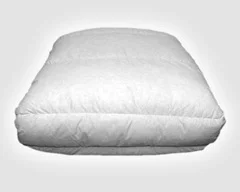
Down and feather
Loose feather and down constructions provide a softer, more relaxed seating feel. They also behave differently from a solid foam core and generally require more regular reshaping and redistribution of the fill to maintain their appearance.
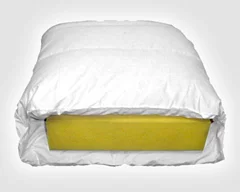
Down and feather envelope
A down and feather envelope can surround a foam or spring-based core. The inner core provides shape and support while the outer envelope creates a softer surface feel. It can be a useful middle ground when an all-foam cushion feels too firm or structured but a loose-filled cushion requires more maintenance than desired.
What changes the way a cushion feels?
Firmness
Some people prefer a seat that compresses easily while others want more resistance and support. Foam firmness and the construction surrounding the core both affect the result.
Thickness and dimensions
The same material can behave differently at different thicknesses. The dimensions of the cushion and the furniture must be considered when selecting a replacement construction.
Furniture support
A cushion works together with the deck, springs, webbing, platform, or other support beneath it. A seating problem is not always caused by the cushion alone.
Daily use
How frequently the furniture is used, who uses it, and the level of reshaping or maintenance that is acceptable can all influence the appropriate construction.
Replacing an insert without reupholstering the entire piece
When the upholstery cover is still in suitable condition, it may be possible to replace or rebuild the cushion insert without reupholstering the entire piece of furniture. The existing cover provides important information about the required dimensions, shape, crown, and overall volume of the replacement insert.
A replacement should not simply be cut to the outside dimensions of the cover without considering the original construction. A loose-filled cushion, foam core, spring unit, or wrapped insert can fill the same cover differently.
Teal Tomorrow can review the existing cushion, cover, furniture construction, and desired seating feel to determine what options are practical.
Depending on the cushion and construction, final sizing may require the existing insert, cushion cover, furniture, or another physical reference. Photos and measurements are useful for the initial review.
Residential and commercial seating have different priorities
Residential furniture
Comfort preference can play a larger role in residential cushion selection. A homeowner may prefer a soft, relaxed cushion, a firmer and more tailored seat, or a combination that reproduces the character of the original furniture.
Commercial furniture
Commercial seating decisions may place greater emphasis on frequent use, appearance standards, maintenance, cleaning requirements, consistency between multiple pieces, and how quickly furniture needs to return to service.
Before choosing a replacement cushion
Useful information for the initial review
- Overall photos of the furniture
- Photos of the cushion and existing insert
- Cushion width, depth, and thickness
- Whether the existing cover will be reused
- How the furniture is normally used
Describe the result you want
- Softer or firmer than the existing cushion
- More support or less sink-in
- A more tailored or relaxed appearance
- Less routine reshaping or maintenance
- Restoration of the original seating character
For a broader look at furniture condition and construction, see the furniture repair, reupholstery, or replacement guide. If new upholstery is also being considered, review choosing upholstery fabric.
Pickup, delivery, and service availability vary with the furniture, quantity, location, and project scope. See our service-area details →
Cushion replacement and construction questions
Can you make a cushion firmer or softer?
Often, yes. The dimensions, existing cover, furniture construction, and amount of change desired determine which options are practical.
Is foam density the same as firmness?
No. Density and firmness describe different characteristics of upholstery foam, so neither specification should be treated as the answer by itself.
Do feather and down cushions require maintenance?
Typically, yes. Loose feather and down can shift and compress with use, so cushions may require periodic reshaping or redistribution of the fill.
Can a Marshall spring cushion be replaced with foam?
Sometimes, but changing the core construction can also change the feel, shape, and way the cushion fills its cover. The existing furniture and the desired result should be reviewed before changing from one construction type to another.
Do worn cushions always mean the entire sofa or chair needs reupholstering?
No. If the upholstery and furniture remain serviceable, replacing the cushion insert may address the seating problem without a complete reupholstery project.
Furniture Repair • Upholstery • FF&E
Keep your furniture in service.
Share the furniture type, quantity, location, timing, and project details, and we’ll help identify the practical next steps.
Have photos or a piece count? Mention them with your inquiry.