
Upholstery material guide
Choosing upholstery fabric for the way furniture is actually used
Color and pattern matter, but so do durability, cleaning requirements, texture, sunlight, pets, children, commercial use, and the construction of the furniture itself.
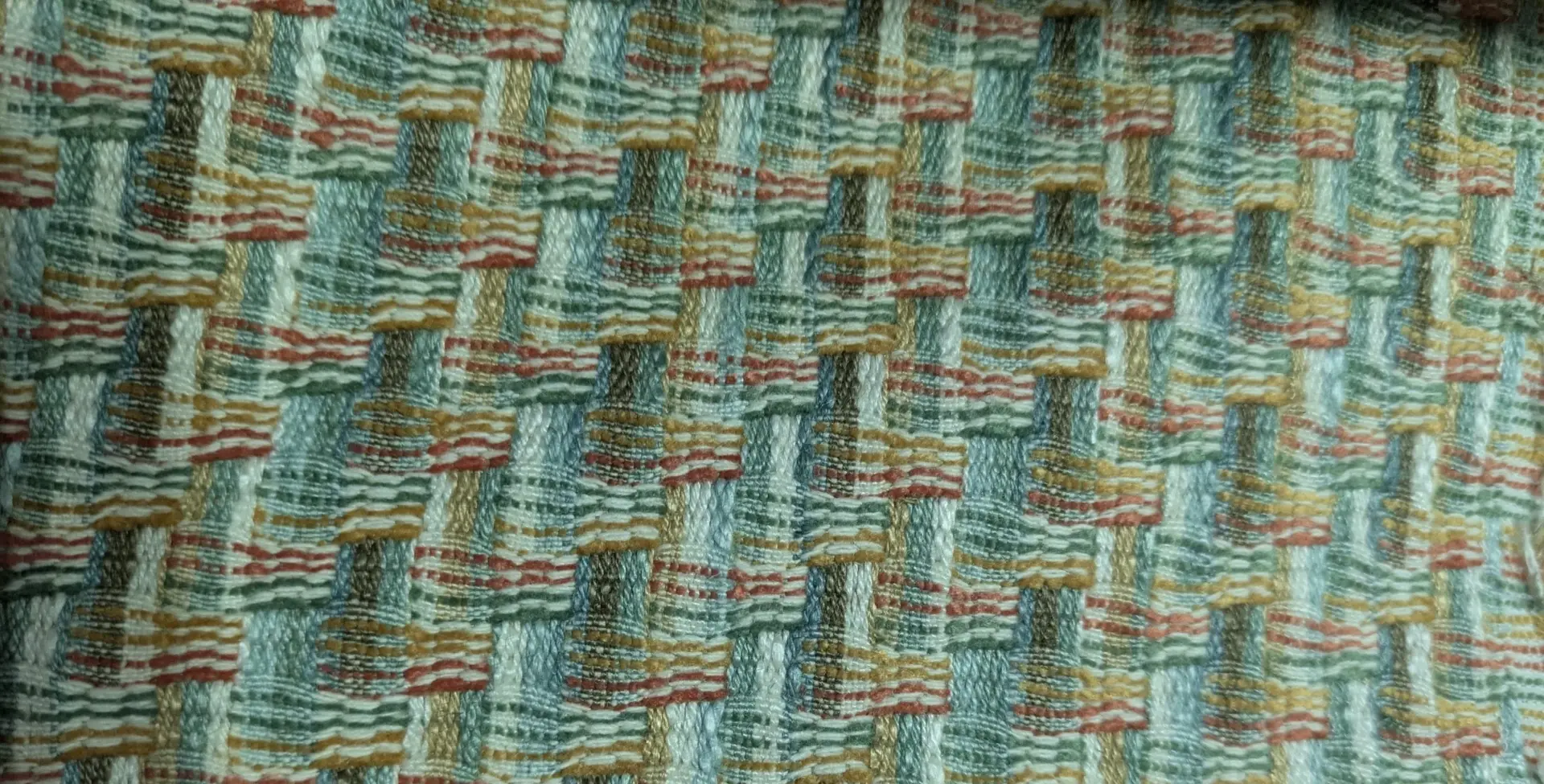
On this page: Use & environment · Abrasion · Cleaning · Performance fabrics · Commercial requirements · Material types · Pattern & samples · Material sourcing · FAQs
Start with how the furniture will be used
One of the easiest ways to choose the wrong upholstery material is to begin with color alone. Start instead with the furniture, the room, and the people who will use it.
An occasional bedroom chair does not face the same demands as a family-room sofa, restaurant banquette, hotel lobby chair, or seating used every day in a commercial facility.
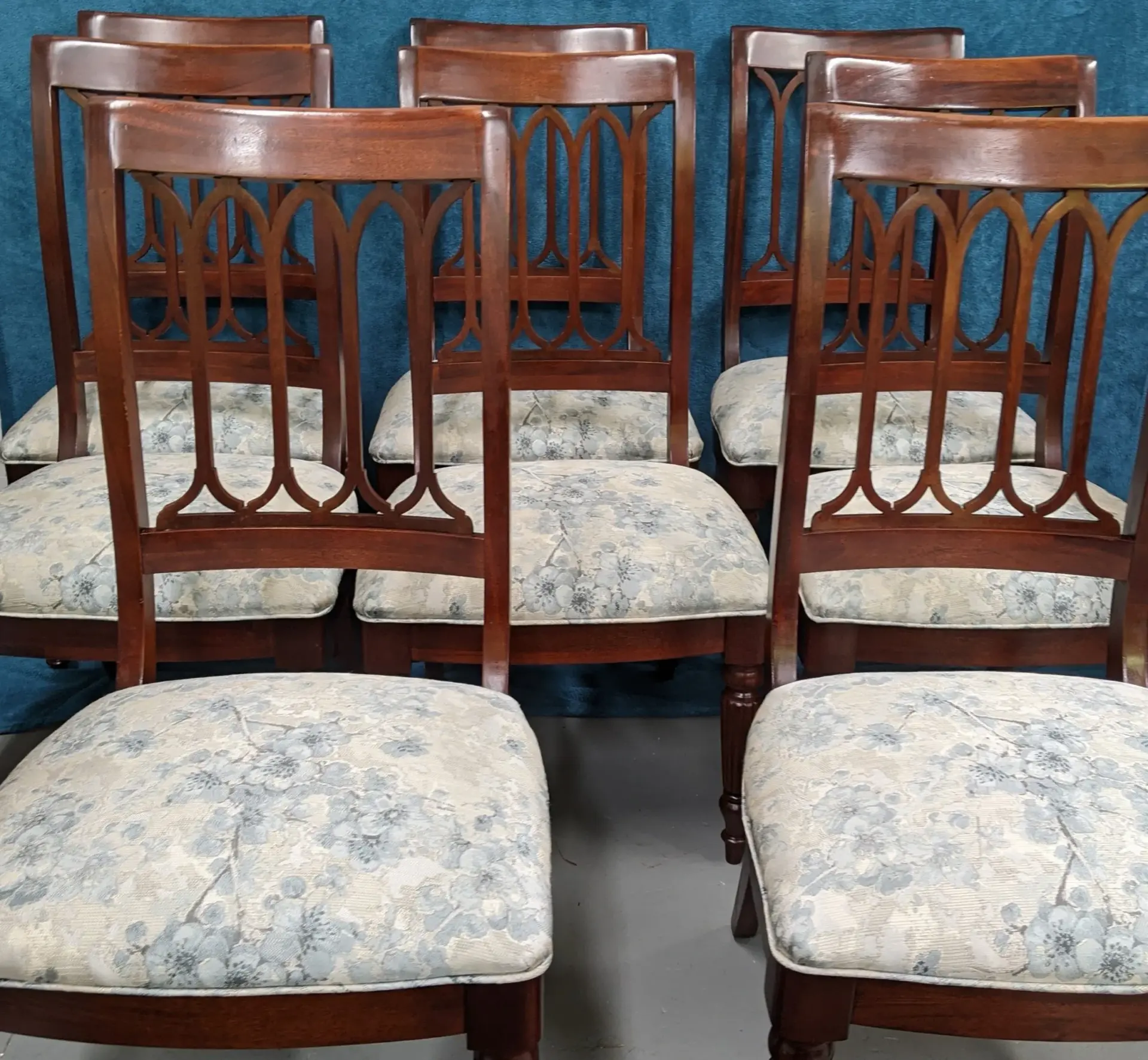
Frequency of use
Consider whether the furniture is used occasionally, every day, or in a high-traffic environment.
Cleaning needs
Think about spills, food, pets, children, routine cleaning, disinfecting requirements, and the manufacturer’s approved cleaning methods.
Environment
Sun exposure, humidity, food service, public use, and the surrounding space can all affect material selection.
Appearance
Once the practical requirements are understood, compare color, pattern, texture, scale, and how the material works with the shape of the furniture.
Understand abrasion ratings without relying on them alone
Upholstery specifications often include an abrasion rating. One common test is the Wyzenbeek method, reported in double rubs. Another is the Martindale method, reported in cycles.
A higher number can indicate that a material performed well in that particular laboratory abrasion test, but it does not automatically mean the fabric will last proportionally longer in real use. Fiber content, weave, seams, cleaning, snagging, sunlight, staining, surface appearance, and the way the furniture is used also matter.
Wyzenbeek double-rub results and Martindale cycle results should not be treated as directly interchangeable numbers.
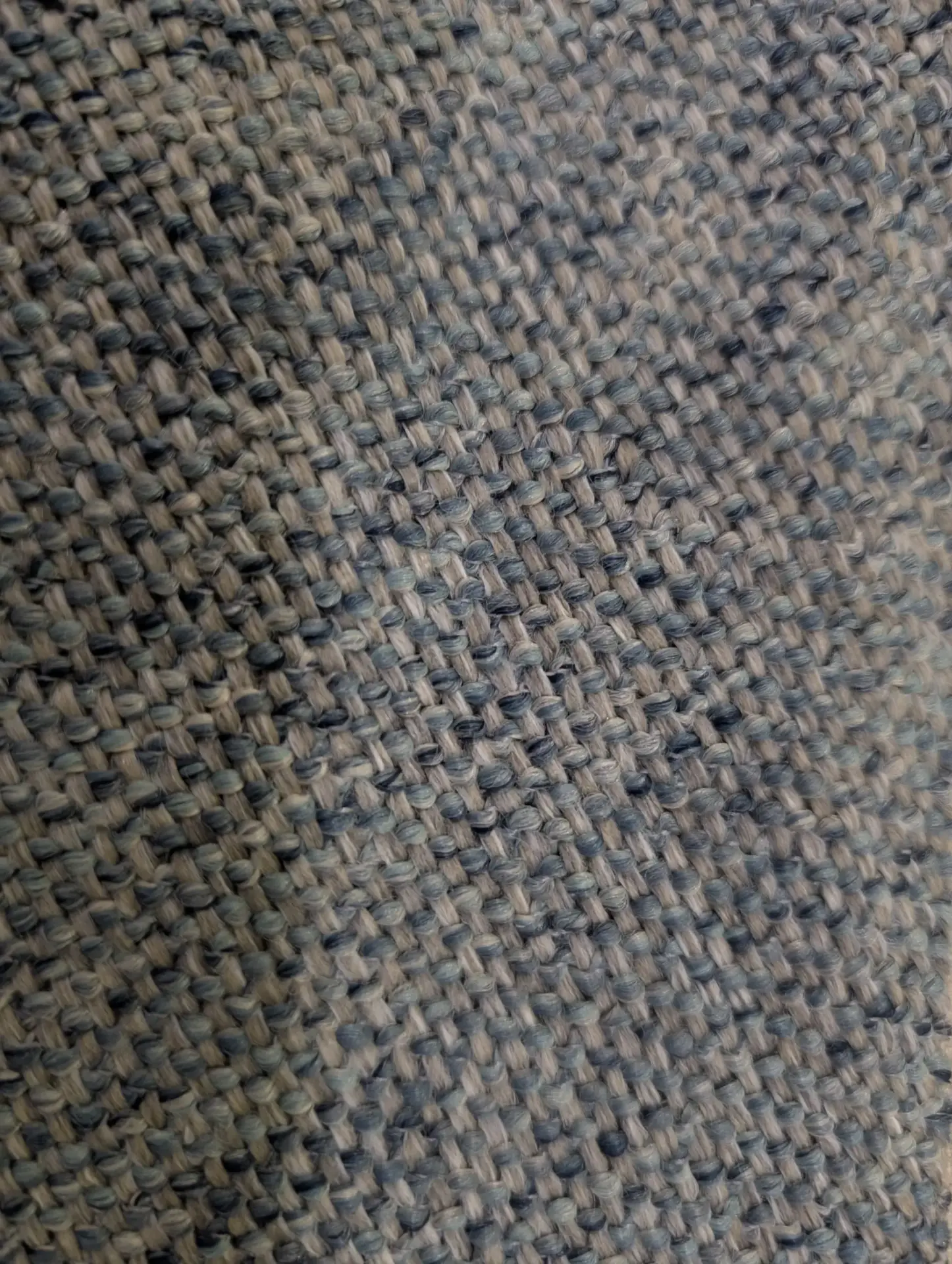
Abrasion testing measures one part of performance
Abrasion testing focuses on surface wear under controlled conditions. It does not measure every problem upholstery may face in service, such as staining, snagging, sunlight exposure, seam performance, or compatibility with the cleaning products the furniture requires.
Lower-traffic upholstery
Materials intended for private or lighter-use spaces may have lower abrasion requirements and still be appropriate for their intended application.
High-traffic upholstery
Furniture in restaurants, hospitality, offices, public areas, and other heavily used environments generally calls for materials designed and tested for more demanding service.
Do not select on the abrasion number alone. Compare the complete specification and make sure the material is recommended for the intended upholstery application.
Cleaning requirements can matter as much as durability
A material that performs well mechanically may still be a poor choice if it cannot tolerate the way the furniture needs to be cleaned.
Before approving upholstery material, review the manufacturer’s current cleaning instructions and cleaning code. Do not assume that a household cleaner, disinfectant, solvent, bleach solution, or steam-cleaning method is compatible simply because it works on another fabric.
- What kinds of spills or soil are likely?
- How quickly can spills normally be addressed?
- Will the furniture receive routine professional cleaning?
- Are disinfectants or stronger cleaners required?
- Could cleaning products reach foam or other internal components?
- Does the manufacturer require a specific cleaning procedure?
For commercial projects, cleaning practices should be considered before the material is approved rather than after the furniture has returned to service.
Performance fabric examples for demanding everyday use
Performance upholstery is available in many constructions and should not be treated as one single type of fabric. Different products achieve stain resistance, cleanability, moisture resistance, colorfastness, and durability in different ways.
Revolution Performance Fabrics
Revolution offers performance fabrics made with olefin yarn, with properties including stain resistance, colorfastness, and cleanability. Revolution fabrics are designed to tolerate bleach-based cleaning when the manufacturer’s instructions are followed.
Crypton
Crypton offers performance upholstery designed around stain and odor resistance, with some products also incorporating a moisture barrier. These characteristics can be useful where spills, frequent use, and cleaning are major concerns.
Performance can vary from one product to another within the same brand. Check the exact pattern, backing, cleaning instructions, and recommended application before making a final selection.
Commercial upholstery has additional requirements
A fabric that works well in a home is not automatically appropriate for a restaurant, hotel, office, healthcare environment, or other public facility. Commercial projects may add requirements for flame performance, cleaning compatibility, moisture resistance, colorfastness, availability, lot consistency, and other project-specific specifications.
Where the material will be installed matters too. Restaurant seating may face food and beverage spills throughout the day, while hotel or lobby furniture may place greater emphasis on appearance retention under frequent public use.
Materials may be specified by the client and sourced through Teal Tomorrow, or supplied as approved Customer’s Own Material (COM) when appropriate to the project.
Choosing fabric for homes with children or pets
Households with children or pets often benefit from materials chosen for practical cleaning and everyday wear rather than delicate appearance alone.
For spills and everyday messes
Look closely at stain resistance, the approved cleaning method, and whether the texture makes routine maintenance practical.
For pets
Consider snagging, hair, scratching, odor, moisture, and how easily the surface can be cleaned. A highly textured or loosely woven fabric may behave differently from a tighter construction.
For heavily used family furniture
Think about what the piece sees every day: frequent sitting, snacks, pets, children, and routine cleaning. Choose something that can handle that use without giving up the comfort or appearance you want.
Fabric, vinyl, leather, and other upholstery materials
Woven upholstery fabric
Available in a wide range of fibers, textures, patterns, colors, and performance levels for both residential and commercial furniture.
Performance fabric
Useful when cleanability, stain resistance, moisture management, or demanding everyday use is an important part of the material decision.
Vinyl and coated materials
Often considered where wipeable surfaces and specific cleaning or performance requirements are important. Specifications vary significantly by product.
Leather
Leather varies by type, finish, thickness, appearance, and maintenance needs. Those differences affect how it feels, how it ages, and the kind of care it may require over time.
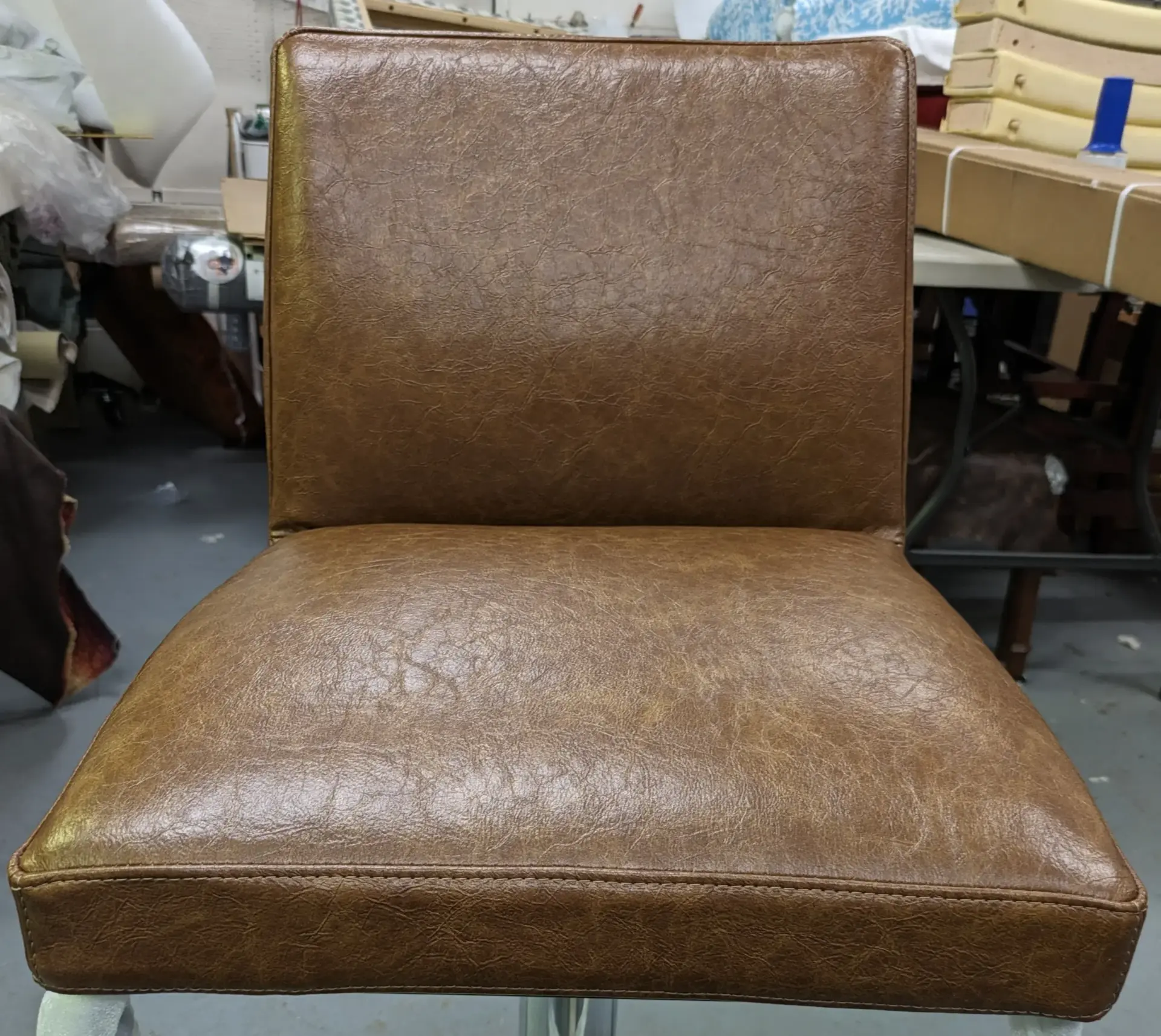
Pattern, scale, and furniture shape
A fabric can look very different on a bolt than it does on a finished chair or sofa. Large patterns may require careful placement and additional yardage, while stripes, plaids, and repeating motifs may need to be matched across cushions, backs, arms, skirts, or adjoining sections.
The shape of the furniture matters too. Curves, channels, tufting, narrow panels, seams, and multiple cushions can change how a pattern reads once installed.
For patterned material, do not purchase based on a rough square-foot calculation. Repeat size, orientation, matching requirements, defects, usable width, and construction all affect the amount required.
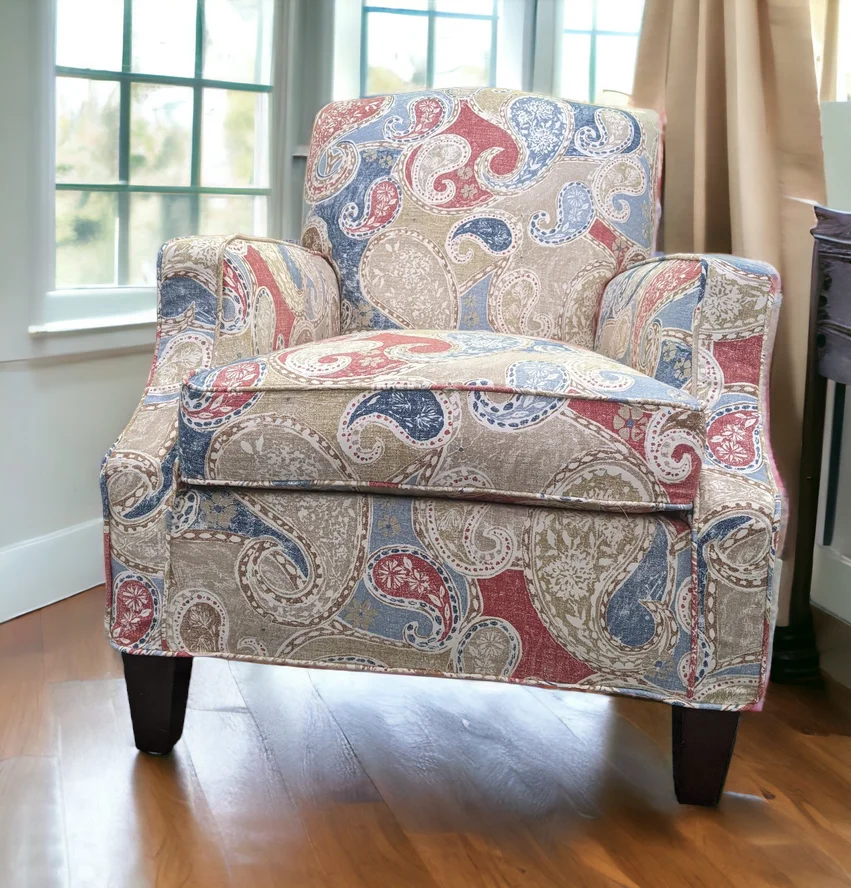
Think beyond the swatch
A small sample may show the colors accurately without showing how often the motif repeats or where individual elements will fall across the finished piece.
Furniture with separate cushions, curved backs, wings, skirts, tufting, or prominent seams can make placement especially important.
Use samples before committing to yardage
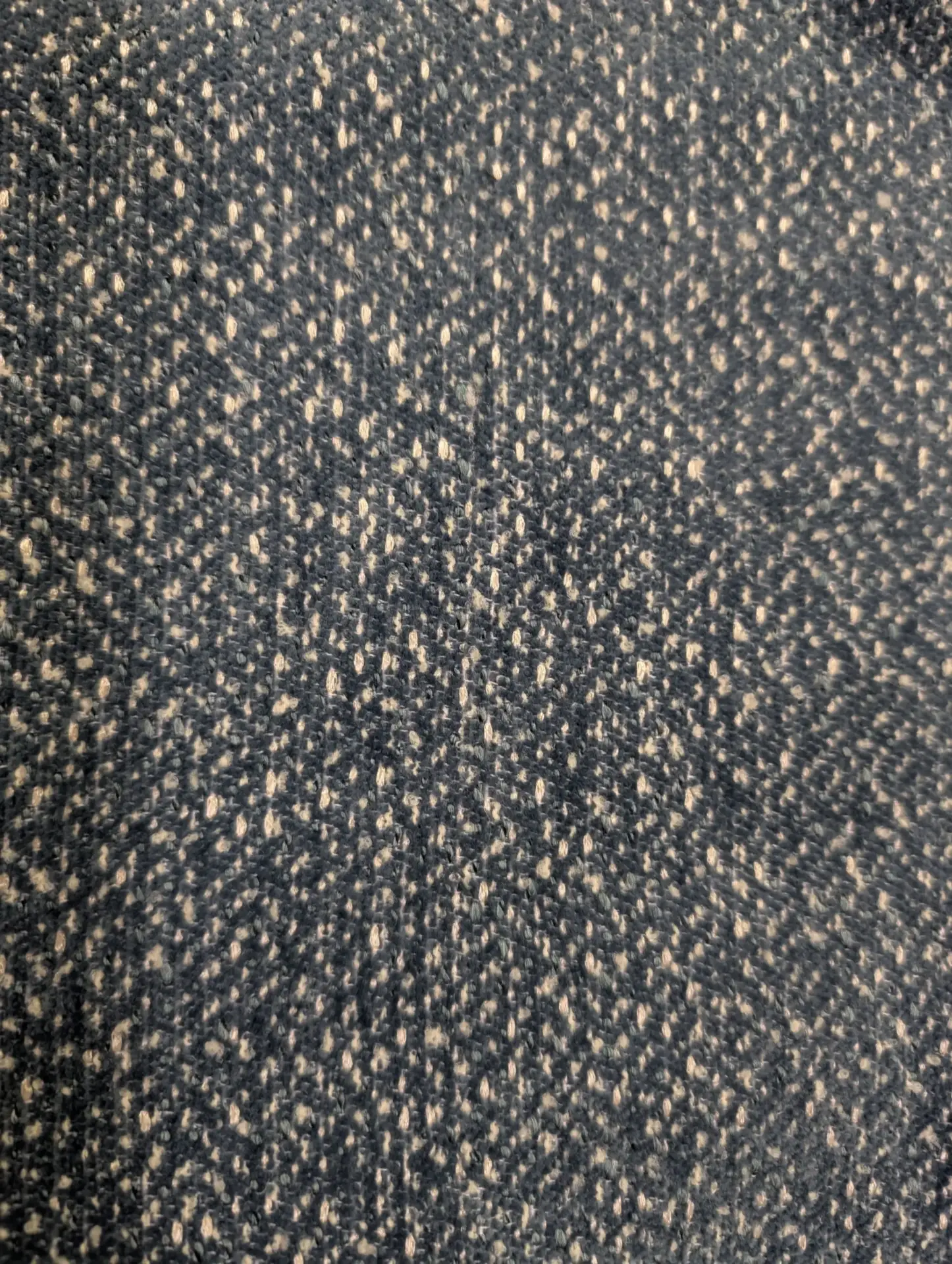
Whenever possible, look at an actual sample before ordering upholstery material. Screen colors are useful for narrowing choices, but they cannot fully show texture, scale, sheen, feel, or how a material changes under different lighting.
- View samples in the room where the furniture will be used
- Compare them during daylight and artificial light
- Feel the texture rather than judging from a photograph
- Check the complete specification and cleaning instructions
- Confirm availability and required quantity before placing an order
Teal Tomorrow can help review available upholstery materials and samples for residential and commercial furniture projects. Distributor and manufacturer availability can change, so current options should be confirmed for the specific project.
Material selection and Customer’s Own Material
Teal Tomorrow can help select and source upholstery materials for residential and commercial projects. For commercial projects, approved Customer’s Own Material (COM) may also be accepted when it is suitable for the furniture, intended use, and approved scope.
Before material is committed to the work, confirm the manufacturer, pattern, color, required yardage, availability, and any performance or cleaning requirements tied to the project.
Material selection is only one part of the furniture decision
New upholstery fabric cannot correct every underlying furniture problem. Frame condition, support, padding, springs, webbing, cushion construction, and other components may affect whether the furniture should be repaired, reupholstered, or replaced.
Repair or replacement decisions
Review the condition of the entire piece before committing to new upholstery material.
Cushion construction
Foam, wraps, down, and other cushion constructions affect comfort and maintenance independently of the outer fabric.
Frequently asked questions
How many double rubs should upholstery fabric have?
There is no single number that determines whether a fabric is right for every project. Abrasion ratings should be considered along with the intended use, material construction, appearance retention, cleaning requirements, and the rest of the manufacturer’s specification.
Is performance fabric always the best choice?
No. Performance characteristics are valuable when the use calls for them, but an occasional or decorative piece may have different priorities. Choose according to the furniture and environment rather than the label alone.
Can I use residential fabric on commercial furniture?
Not automatically. Commercial projects may have performance, cleaning, flame, durability, or other requirements that residential material was not designed to meet.
Can I provide my own upholstery fabric?
For commercial projects, approved Customer’s Own Material (COM) may be accepted. The material must be suitable for the furniture, intended use, required quantity, and applicable project requirements before work begins. Residential projects use material options selected through Teal Tomorrow.
Should I order fabric from a photograph online?
Use online images to narrow the choices, but review a physical sample whenever possible before committing to the full yardage.
Does Teal Tomorrow help with residential and commercial fabric selection?
Yes. Material selection can be discussed for both residential furniture projects and commercial furniture projects.
Furniture Repair • Upholstery • FF&E
Keep your furniture in service.
Share the furniture type, quantity, location, timing, and project details, and we’ll help identify the practical next steps.
Have photos or a piece count? Mention them with your inquiry.