
Furniture decision guide
Repair, reupholster, or replace? A practical furniture guide
Compare repair, reupholstery, and replacement by looking at what the furniture needs and whether the piece is worth the investment.
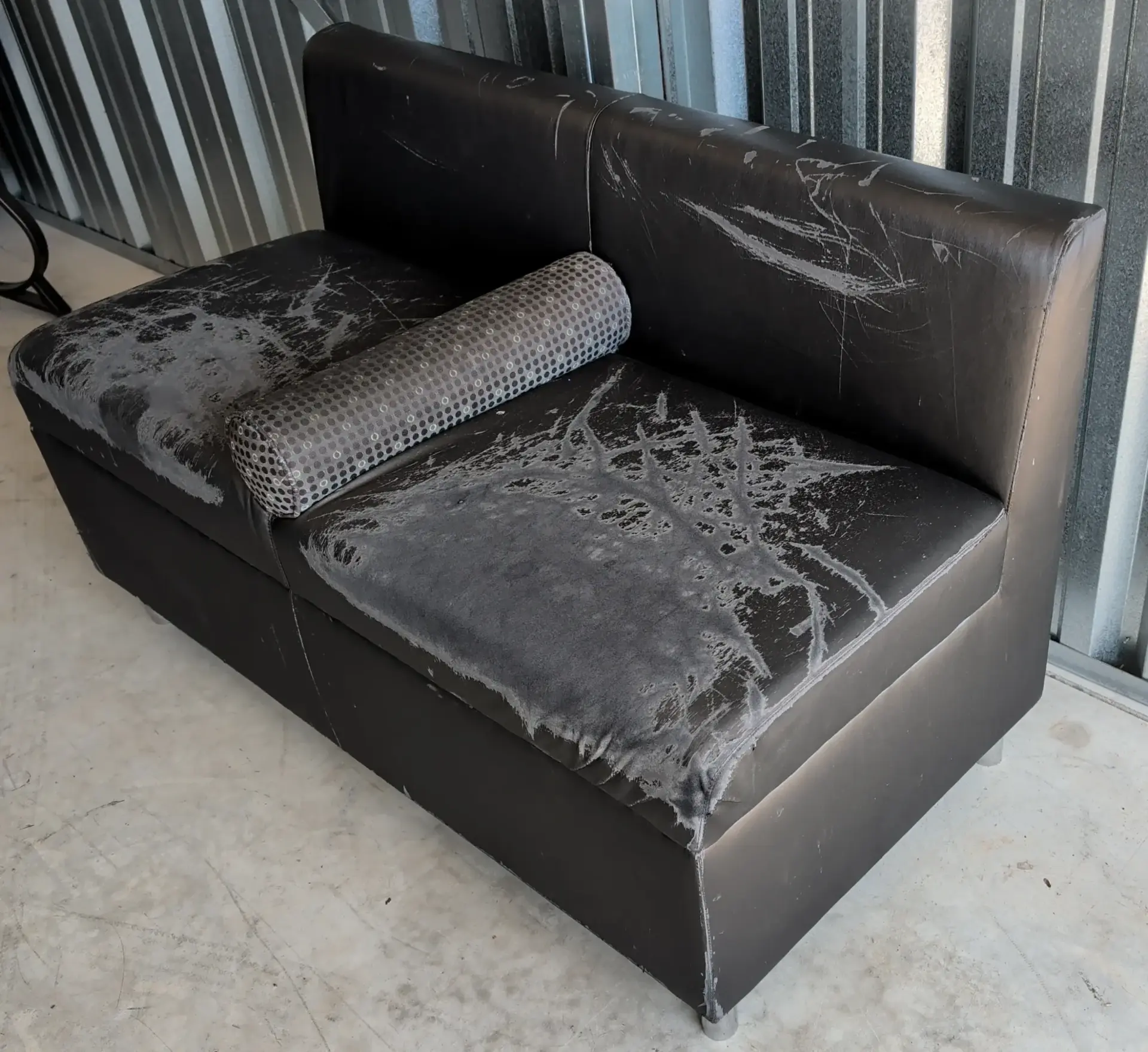
Start with the frame and construction
A worn or damaged piece does not always need the same solution. A localized repair may be enough for one chair, while another may justify complete reupholstery. In some cases, replacement is the more practical choice.
Start with what is underneath the upholstery. Check for movement at the joints, cracks, broken components, uneven support, sagging, rubbing, or changes in the shape of the furniture. The condition of the frame and support system matters more to the decision than surface wear alone.
Age is not a reliable shortcut. An older piece may have sound construction worth retaining, while relatively new furniture can be a poor candidate for extensive work. A condition review helps establish what is repairable before time and money are committed to fabric, cushioning, or finish selections.
When replacement is the better answer
Some furniture looks like a reasonable reupholstery candidate until the existing covering is removed and the construction underneath can be inspected.
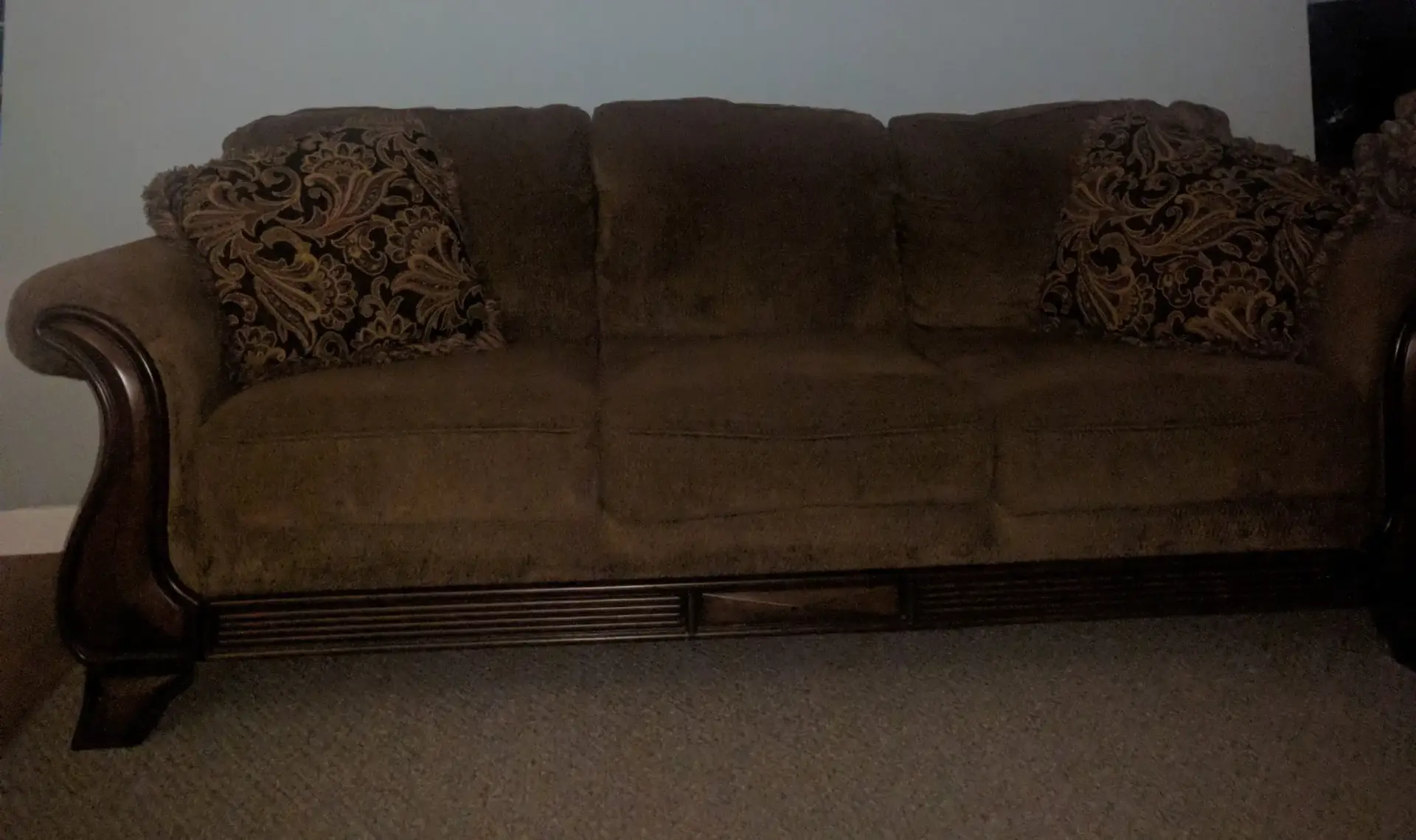
This sofa is one example. From the outside, its shape and decorative wood suggested a piece that might be worth retaining. Opening it changed the assessment. Portions of the support and structural connections were failing, and substantial corrective work would have been required before upholstery could begin.
The sofa was technically repairable. The question was whether doing so made sense. Once structural repair, cushioning, upholstery materials, and labor were considered together, replacement offered better value.
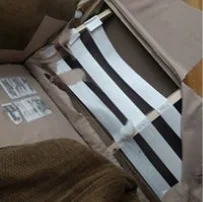
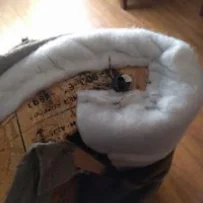

The lesson: a professional recommendation should sometimes be “replace it.” Reupholstery makes the most sense when the furniture underneath is worth the investment.
When renewal does make sense
When the underlying furniture is still sound, reupholstery can renew the covering and address worn upholstery components without replacing the entire piece.
See more furniture before & after →
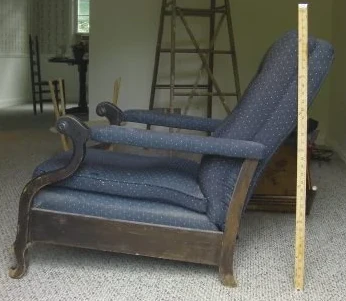
Before: Worn wood-frame armchair with damaged upholstery and exposed wear.

After: Restored armchair with new brown leather upholstery and a matching lumbar cushion.
Every piece requires its own condition review. See more project experience.
Understand common upholstery terms
Slip Covers
Removable fitted covers that change or protect the outer appearance of furniture without replacing the attached upholstery.
Reupholstery
Can include the covering and internal upholstery materials needed to restore comfort, support, and appearance.
Restoration
May include repair or preservation of structural, finish, and period details in addition to upholstery work.
The scope varies from piece to piece. Confirm what will be removed, retained, repaired, or replaced before approving a project.
Choose fabric for the way the furniture will be used
Start with intended use, not color alone. A fabric for an occasional chair has different demands than material used every day in a family room, restaurant, hospitality environment, lobby, or other active space.
- Expected frequency and intensity of use
- Durability and care requirements
- Pets, children, and household sensitivities
- Color, pattern, texture, and pattern scale
- Sun exposure and room conditions
- The manufacturer’s stated performance and cleaning guidance
Review samples whenever possible. For commercial projects, approved Customer’s Own Material (COM) may be accepted when it is appropriate for the furniture, required performance, quantity, and approved scope. Residential projects use material options selected through Teal Tomorrow so suitability, quantity, performance, and other requirements can be confirmed before work begins.
Consider cushion comfort and support
Cushion work can change the way a piece feels as much as new fabric changes the way it looks. Options may include custom inserts, different firmness levels, layered foam, polyester wrap, down or feather blends, and Marshall unit construction, depending on the existing cushion and the feel you want.
Each option has different maintenance and comfort characteristics. Softer fills may require regular fluffing and reshaping, while firmer or layered constructions may provide a more structured feel. Discuss comfort preferences, use frequency, and whether existing cushion covers will be retained.
Weigh service life, customization, and personal value
Repairing or reupholstering a suitable piece can extend its useful life and reduce the need to discard and replace it. It can also preserve dimensions, construction, or sentimental value that would be difficult to duplicate with new furniture.
Consider expected service life, the quality and fit of a realistic replacement, the ability to customize materials, and the importance of the original piece. These factors do not make every item a good candidate, but they provide a more complete basis for the decision.
For furniture or seating with unusual dimensions, integrated components, or other nonstandard requirements, see our specialty furniture repair and upholstery work.
Prepare for an estimate or condition review
Photographs and dimensions
- Full views from several sides
- Close photos of damage, seams, cushions, and frame concerns
- Approximate overall dimensions and number of pieces
- Maker’s label or identifying information when available
Project details to include
- Intended use and location
- Material preferences and fabric-selection needs
- Doorway, stair, elevator, loading, or pickup constraints
- Preferred timing or target date
Some conditions are only visible after existing upholstery is opened. Ask how discoveries that affect the scope will be communicated and approved.
Frequently asked questions
Is reupholstery worth the cost?
The answer usually comes down to the frame, construction, condition, desired result, and the cost and quality of a realistic replacement. Sentimental value, exact dimensions, and customization may also matter.
Can I provide my own upholstery fabric?
For commercial projects, approved Customer’s Own Material (COM) may be accepted when it is suitable for the furniture, intended use, required quantity, and approved scope. Residential projects use material options selected through Teal Tomorrow.
How do I choose fabric for a home with pets or children?
Discuss expected use, cleaning needs, texture, durability, and household sensitivities. Review manufacturer performance and care information, then compare samples in the room.
Can only the cushion inserts be replaced?
Custom cushion inserts may be possible when the covers and surrounding furniture are suitable for continued use.
Is a slipcover the same as reupholstery?
No. A slipcover is removable, while reupholstery attaches new materials to the piece and may also address internal support and padding.
Are pickup and delivery available?
Pickup and delivery availability varies by project and location. Confirm access, timing, and related charges during the estimate process.
Does Teal Tomorrow work with residential and commercial furniture?
Yes. Explore residential furniture repair and reupholstery and commercial furniture lifecycle services. Teal Tomorrow is based in Conowingo, Maryland, and serves commercial and residential clients throughout Maryland and the Mid-Atlantic.
How do I request a project review?
Send clear photos and a short description to [email protected], call 833-345-9444, or use the project form. Teal Tomorrow operates by appointment, so contact the team before bringing furniture to the shop.
Furniture Repair • Upholstery • FF&E
Keep your furniture in service.
Share the furniture type, quantity, location, timing, and project details, and we’ll help identify the practical next steps.
Have photos or a piece count? Mention them with your inquiry.