
Commercial furniture services
Commercial furniture repair, upholstery, and lifecycle support
Furniture work in an active facility has to fit around the people, spaces, and schedules already in place. We help decide what is worth repairing, how many pieces can come out of service at once, and how the work moves from assessment through return.
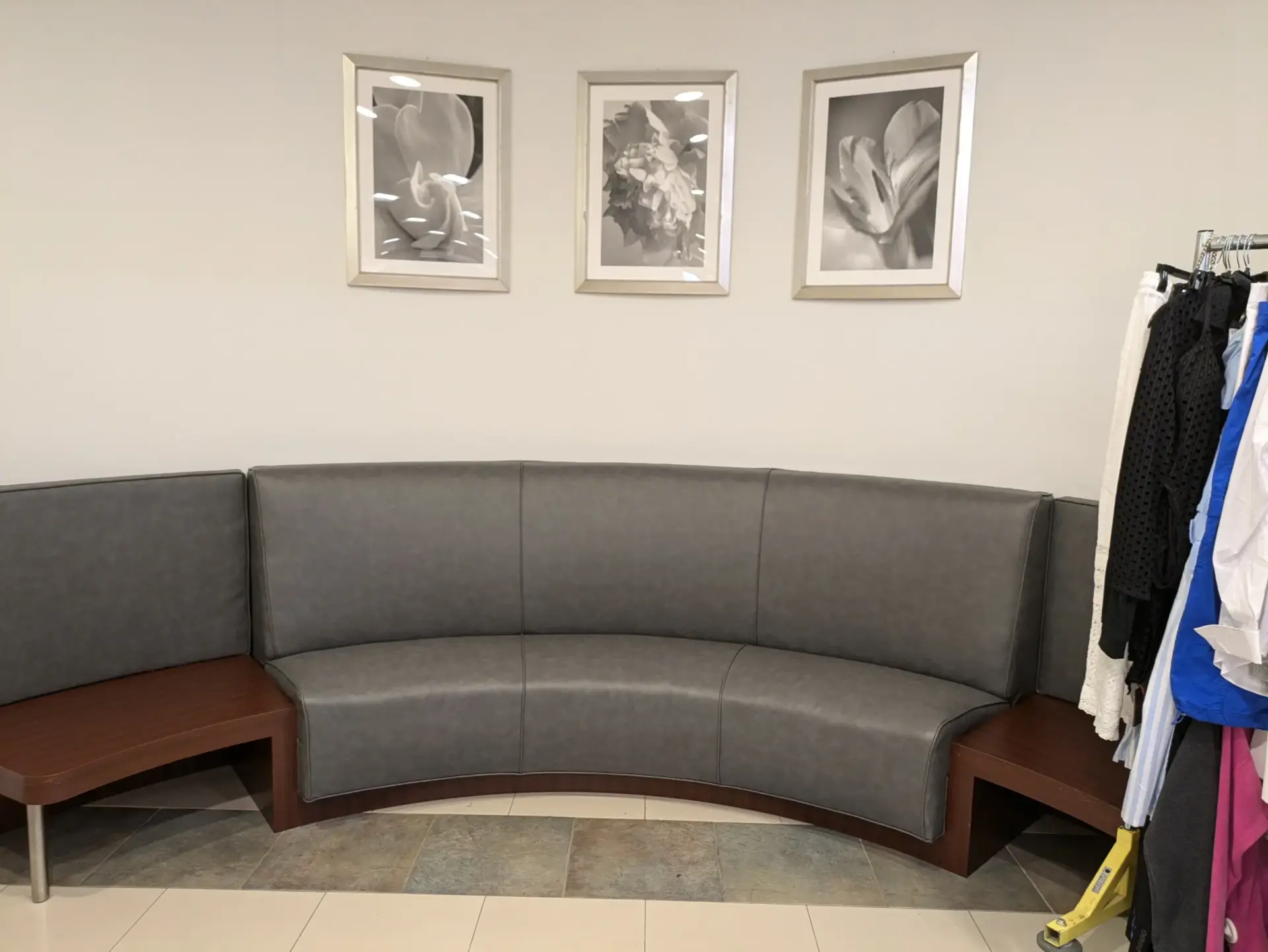
The work must fit the facility
Commercial upholstery is rarely just the bench work. Someone still has to decide which pieces need attention first, how many can come out of service, whether repair still makes sense, and how the furniture gets back where it belongs. We help you work through those decisions and plan the project around your facility’s needs, schedule, and priorities.
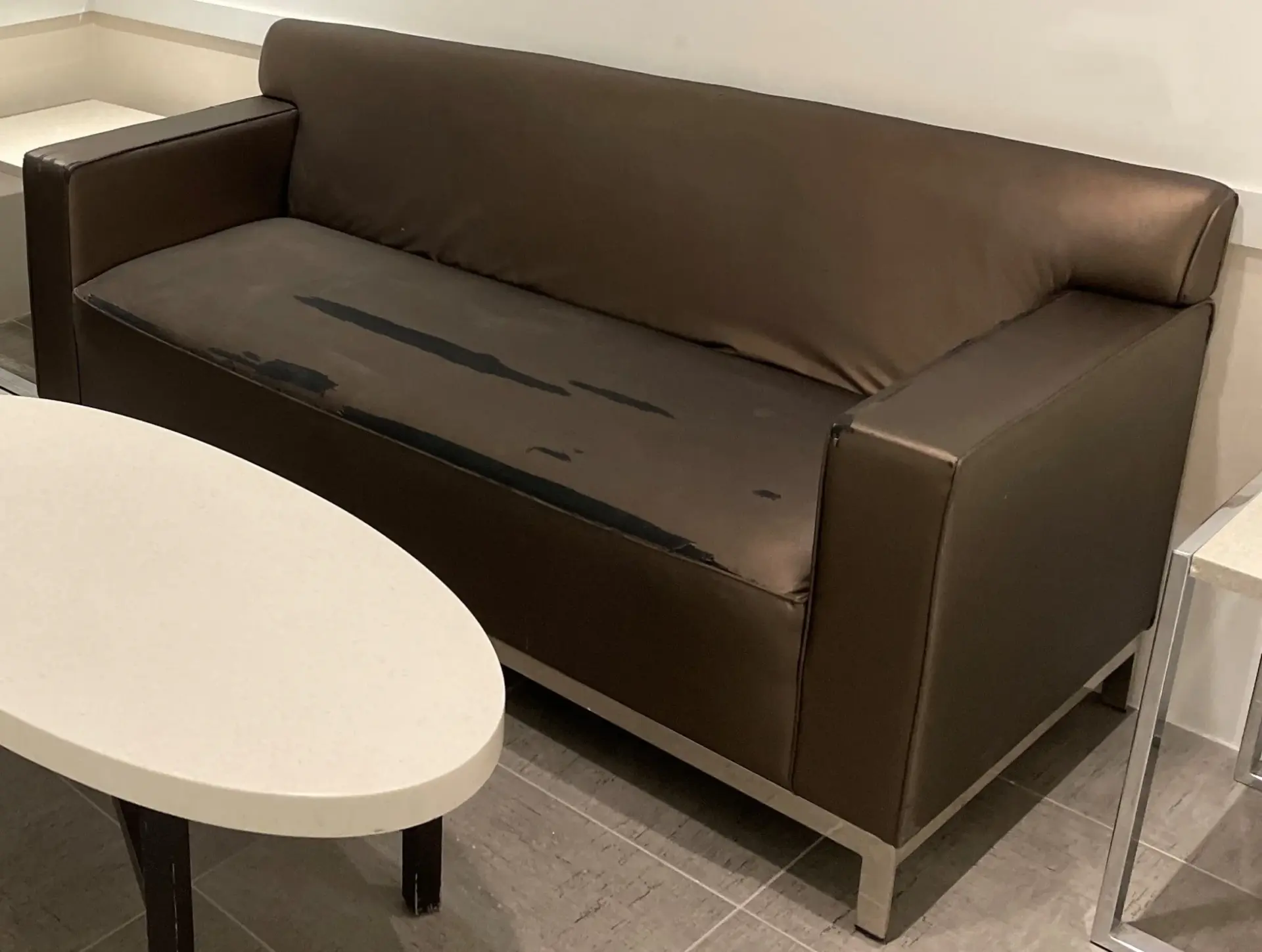
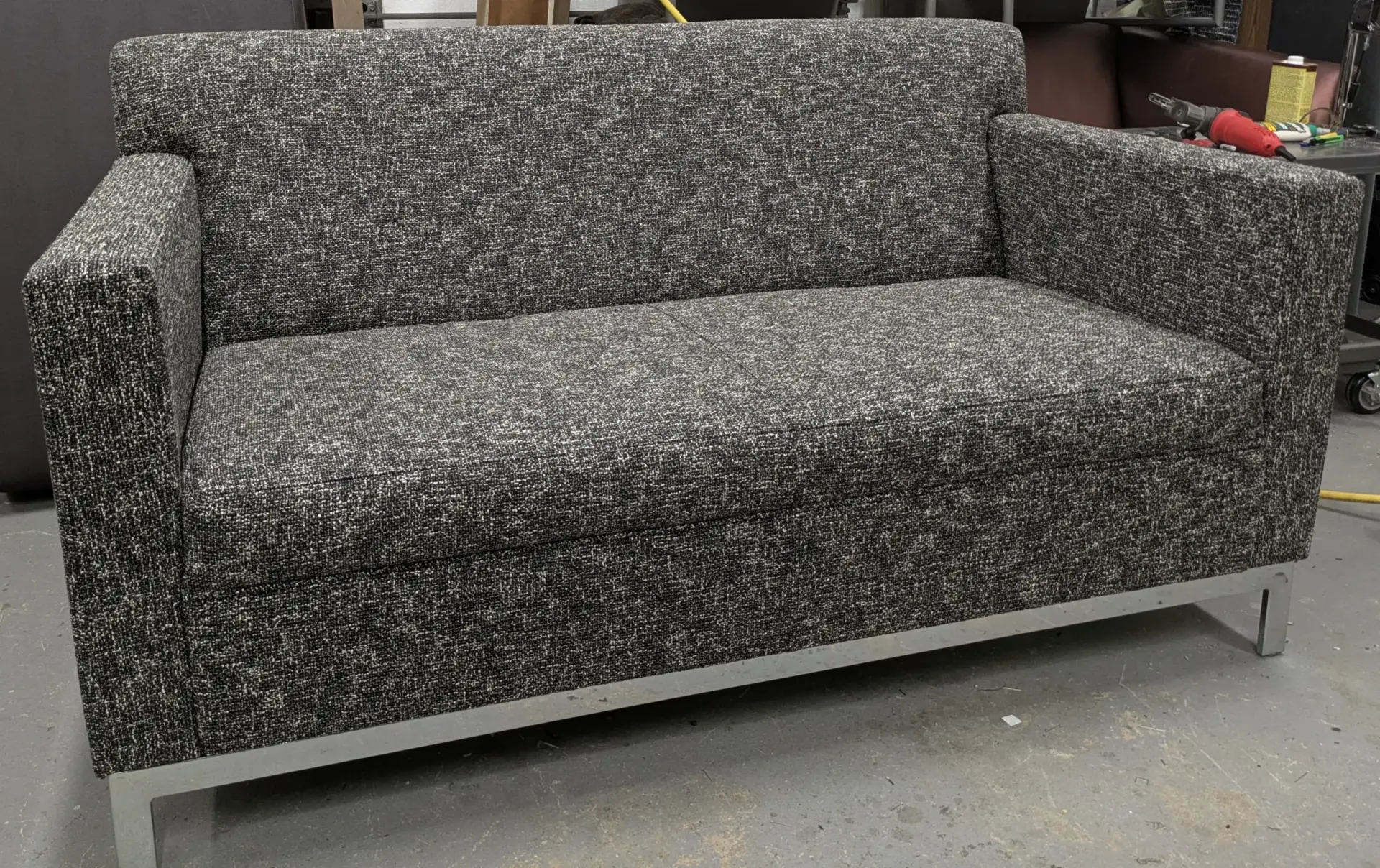
Decide what needs attention first
We help group pieces by condition, location, and type so it is easier to see what should be repaired now, what can wait, and what may be better replaced.
Repair what is worth keeping
We identify and repair frames, joints, support systems, trim, hardware, and other components when a sound repair can extend the useful life of a piece.
Renew worn upholstery and finishes
By replacing worn upholstery, foam, padding, or finishes when the underlying furniture is still worth keeping, we can extend its useful life while maintaining the look and function needed for the space.
Move larger projects in batches
When everything cannot come out of service at once, we divide the work into manageable batches by location or priority while keeping materials, finishes, and approved work consistent throughout the project.
Confirm materials before work begins
We confirm fabric, leather, finishes, colors, performance requirements, and availability before materials are ordered or work begins. We can source approved materials or work with approved Customer’s Own Material (COM) when appropriate for the project.
Pickup, staging, and return
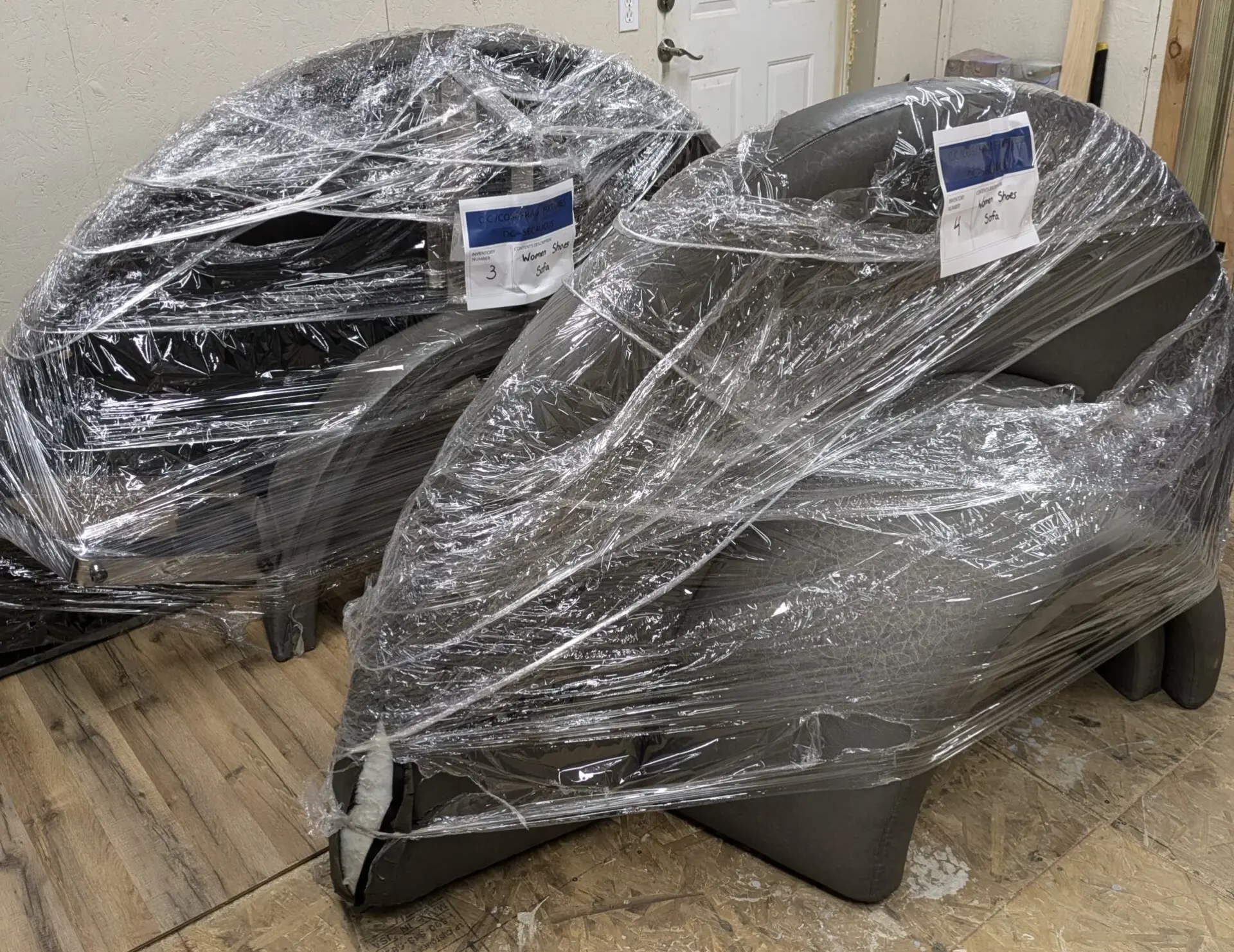
Label, protect, move, and stage furniture so individual pieces can be tracked from pickup through shop work and back to the facility.
For upholstery projects, see our guide to choosing upholstery fabric for more on durability, cleaning, performance, and intended use.
These activities support Teal Tomorrow’s furniture-service work and do not represent general warehousing, freight, procurement, or facility project-management services.
Commercial furniture work in practice
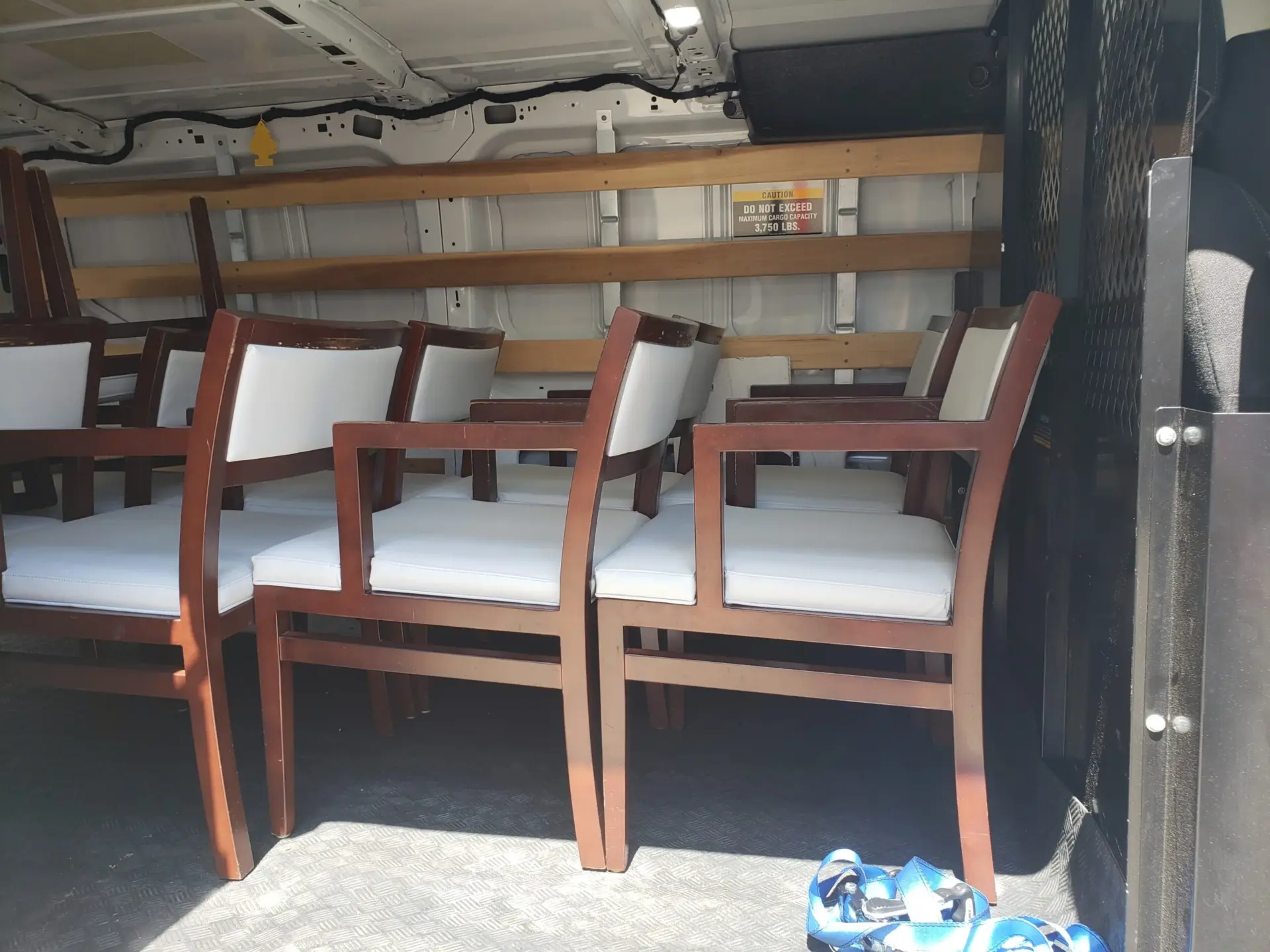
Commercial projects often involve more than the repair itself. These examples show how furniture is protected, moved, staged, and returned during the work.
See more furniture transformations →
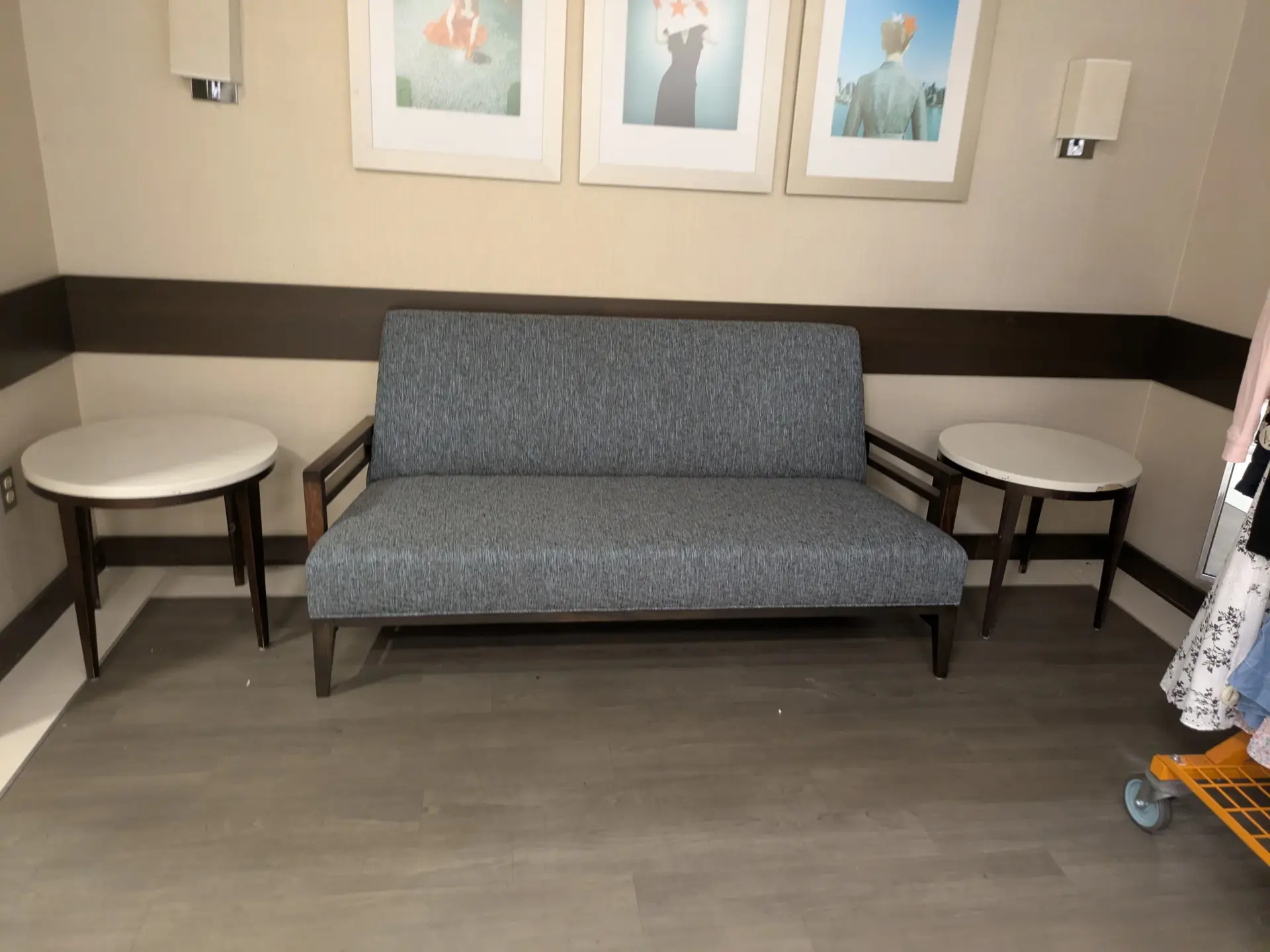
A clearer repair-or-replace decision
Not every item is worth repairing. We look at the structure and how much useful life the piece still has. Replacement cost, lead time, available materials, appearance requirements, and disruption also affect the decision.
Repair or reupholster when
- The frame or core construction remains serviceable
- Wear is repairable and the item still suits the space
- New upholstery can restore appearance and function
- Repair avoids unnecessary replacement lead time or disruption
Replace when
- Structural failure makes a reliable repair impractical
- The required result cannot be achieved economically
- Replacement better fits the way the furniture is used now
- Parts, materials, or construction prevent a sound repair
What happens next
1. Send the basics
Send a few photos along with the location, approximate quantity, furniture type, and any timing or access constraints we should know about.
2. Agree on the work
We recommend the work, confirm materials and finishes, and document the approvals or assumptions that matter before anything starts.
3. Schedule the work
Furniture moves through pickup, shop work, and return in batches or by location so the facility keeps enough pieces in service throughout the job.
4. Return the furniture
Completed pieces go back into service, and any approved changes or exceptions are documented before the job is handed back to the facility.
If we uncover damage that was not visible at the start, materials become unavailable, quantities change, or site conditions affect the plan, we review the affected work before moving ahead. Use the furniture repair, reupholstery, or replacement guide to prepare for a condition review.
Plan the work around the facility
Work on site when it makes sense
Some repairs can be completed at the facility when access, safety, noise, cure time, and customer traffic make on-site work practical.
Bring it to the shop when needed
When the work needs to come to the shop, pieces are labeled, protected, staged, and tracked so they can return to the right place.
Keep enough furniture in service
If the facility cannot release everything at once, the work can move in batches around occupancy, events, customer or guest traffic, and the number of pieces that need to remain available.
Commercial environments served
Teal Tomorrow supports furniture work in retail, hospitality, multi-property, institutional, entertainment, and other high-use environments where furniture work has to be coordinated around ongoing operations.
Restaurant booths and other seating can be evaluated for repair, reupholstery, or replacement while working around operating hours and the seating that still needs to stay available.
Teal Tomorrow is based in Conowingo, Maryland, and serves commercial clients throughout Maryland and the Mid-Atlantic. Review our Maryland and Mid-Atlantic service area.

Vendor and procurement readiness
Teal Tomorrow Upholstery, Inc. routinely works through the documentation and approval requirements associated with commercial vendor setup and furniture projects.
- W-9 available for vendor setup
- Certificates of insurance available as required
- Purchase orders accepted
- Net payment terms available for established commercial accounts
- Vendor onboarding forms and procurement portals supported
- Written scopes, material and finish approvals, and project assumptions documented
- Commercial invoicing and supporting project documentation
Commercial furniture project questions
Does every inquiry lead to a repair recommendation?
No. Sometimes replacement or another path makes more sense, and we will say so.
What projects may not be a fit?
A project may not be a good fit if the furniture cannot be repaired soundly, the requested result does not work with its construction, the timeline does not allow the work to be done properly, or replacement is clearly the more economical choice.
Furniture Repair • Upholstery • FF&E
Keep your furniture in service.
Share the furniture type, quantity, location, timing, and project details, and we’ll help identify the practical next steps.
Have photos or a piece count? Mention them with your inquiry.